Learn about Kerala
Enough context to make your trip make sense — how Kerala is laid out, what the monsoons do, and where people actually love to go.
A narrow strip between the hills and the sea
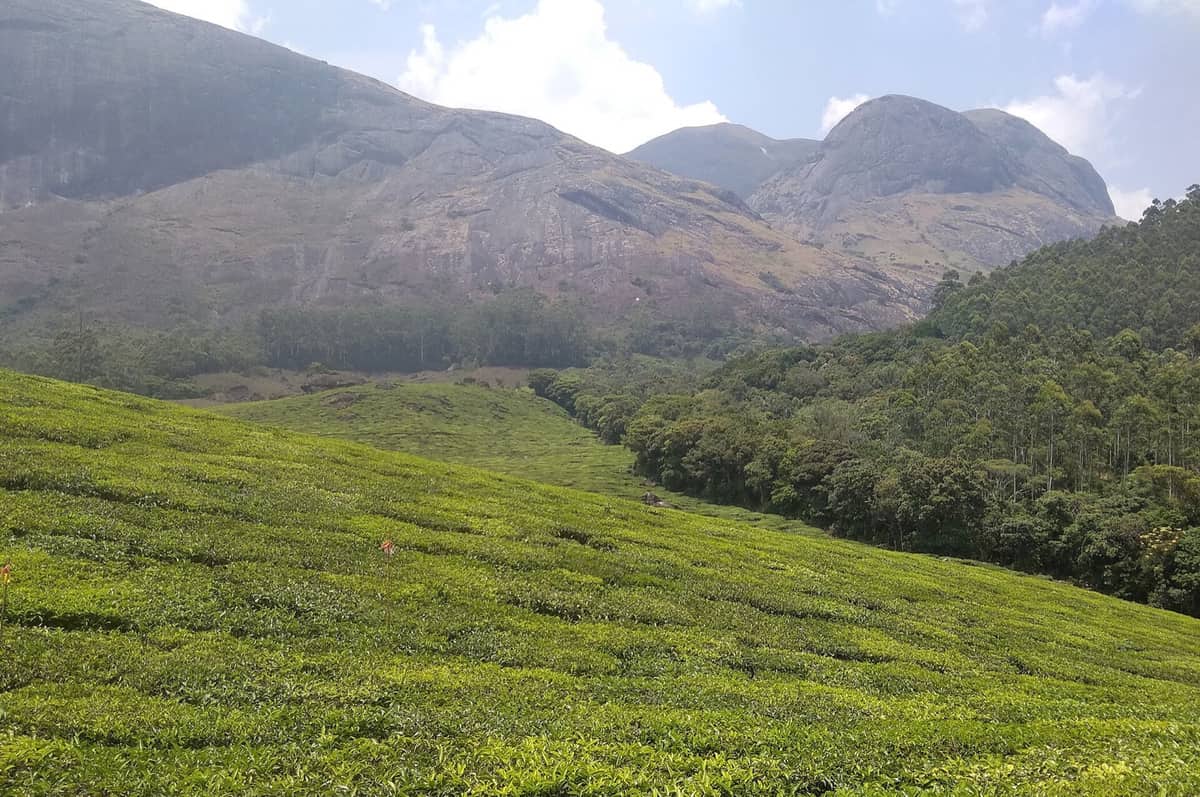
Kerala runs along India’s south-west coast, squeezed between the Western Ghats mountains and the Arabian Sea. In places it is barely 35 kilometres wide, so you can go from tea estates in the clouds to a palm-lined beach in an afternoon’s drive.
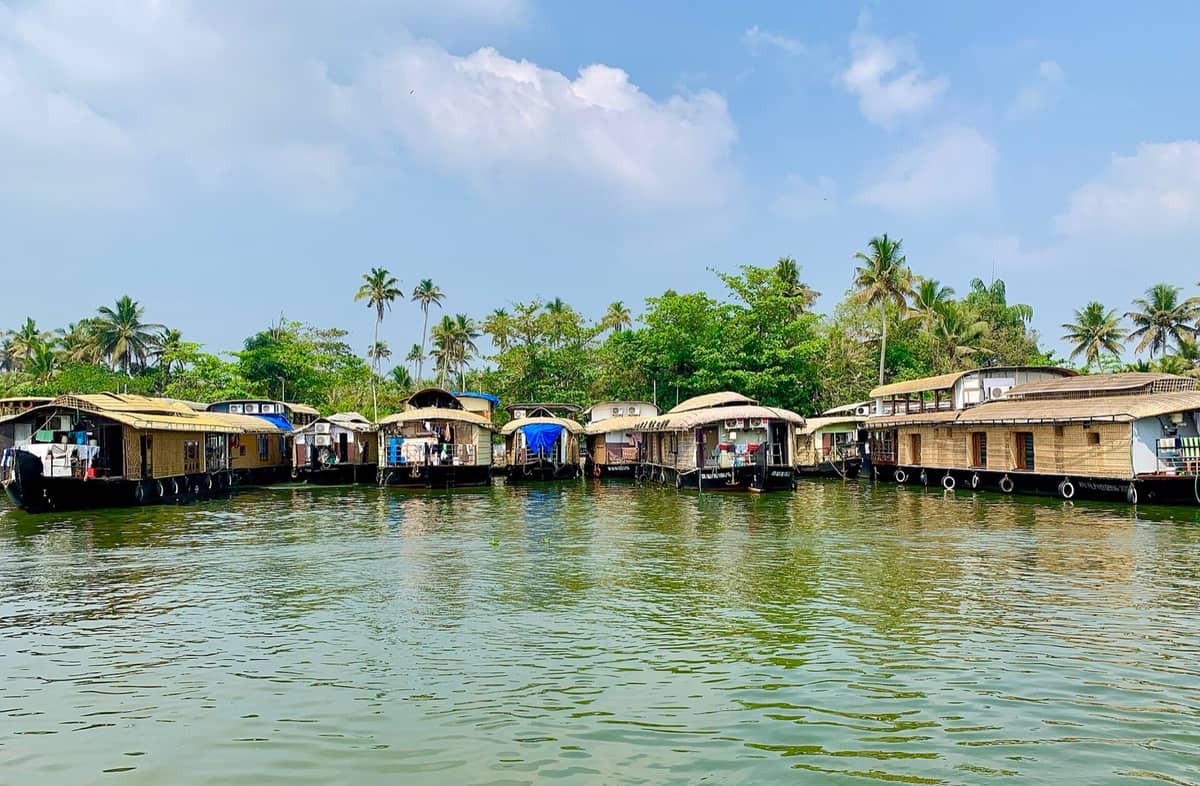
Forty-four rivers run down from the Ghats, and near the coast they spread into the backwaters — a web of lakes, canals and lagoons where people still live, farm and fish on the water. Floating through them on a houseboat is the picture most people have of Kerala, and it lives up to it.
Two monsoons, and a lot of green
Kerala is tropical: warm all year, humid near the coast and cooler in the hills. It gets two monsoons. The south-west monsoon arrives around June and lasts to about September, with heavy, dramatic rain. The north-east monsoon brings lighter, mostly afternoon showers in October and November.
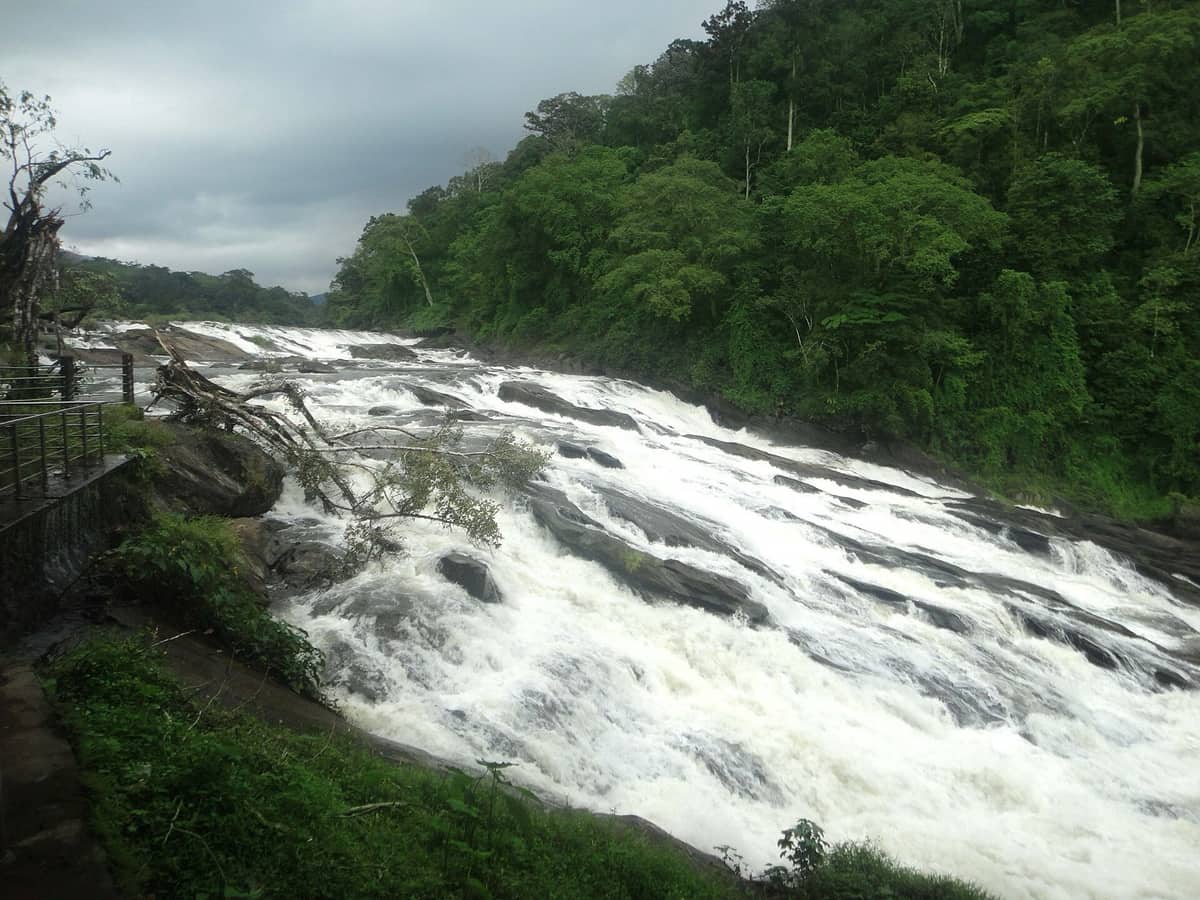
The rain is why everything is so green. It is also why some treks, waterfalls and forest areas close or change with the season — we check this for your dates.
When to go
December to February: cool, dry and clear — the most popular time, and the busiest.
March to May: hot and humid on the coast, pleasant in the hills. A good time for Munnar, Wayanad and Vattavada, and for festivals like Thrissur Pooram.
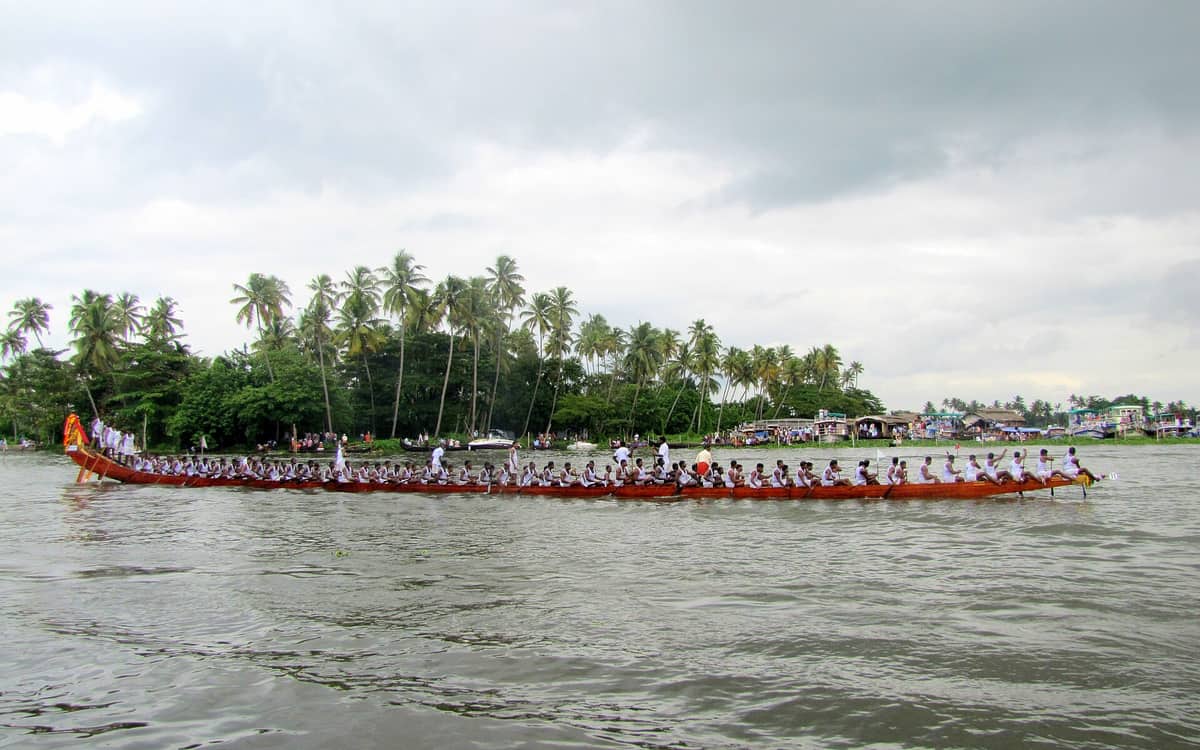
June to September: the monsoon. Fewer visitors, lower prices, lush scenery, and the traditional season for Ayurveda. Onam, Kerala’s harvest festival, falls in August or September, and the snake boat races run on the backwaters in August.
October and November: the rain eases, waterfalls are full, and the crowds have not arrived yet.
Fourteen districts, three rough regions
Kerala has 14 districts. In the south, Thiruvananthapuram (the capital) sits near the beaches of Kovalam and the cliffs of Varkala. In the middle, Kochi (Ernakulam) is the main gateway, with Alappuzha (Alleppey) and Kottayam on the backwaters and Idukki up in the hills around Munnar and Thekkady. In the north, Thrissur is the cultural heart, and Wayanad, Kozhikode and Kannur are greener and less visited.
International flights land at Thiruvananthapuram, Kochi, Kozhikode and Kannur, so a trip can start and end in different places.
Language, time and money
The language is Malayalam, but English is widely understood in hotels, shops and anywhere used to visitors. A few words of Malayalam — “nanni” means thank you — go a long way.
Kerala runs on India Standard Time (UTC+5:30) all year; there is no daylight saving. The currency is the Indian rupee (INR). Cards work in cities and hotels, but carry some cash and use UPI-friendly payment apps where offered; small shops and autos often prefer cash.
What to eat
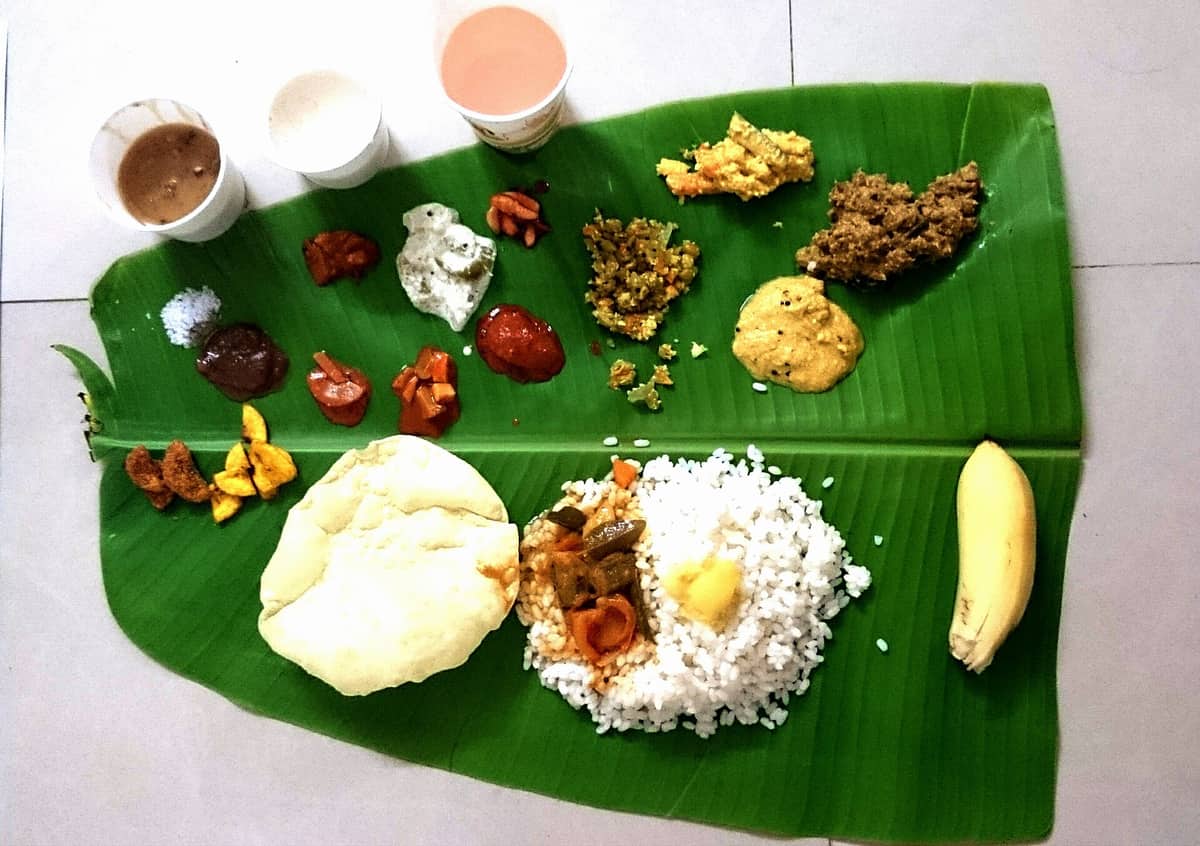
A sadya is the feast served on a banana leaf at Onam and weddings — rice with a dozen or more small dishes, finished with payasam (a sweet pudding). Many restaurants serve a version at lunchtime.
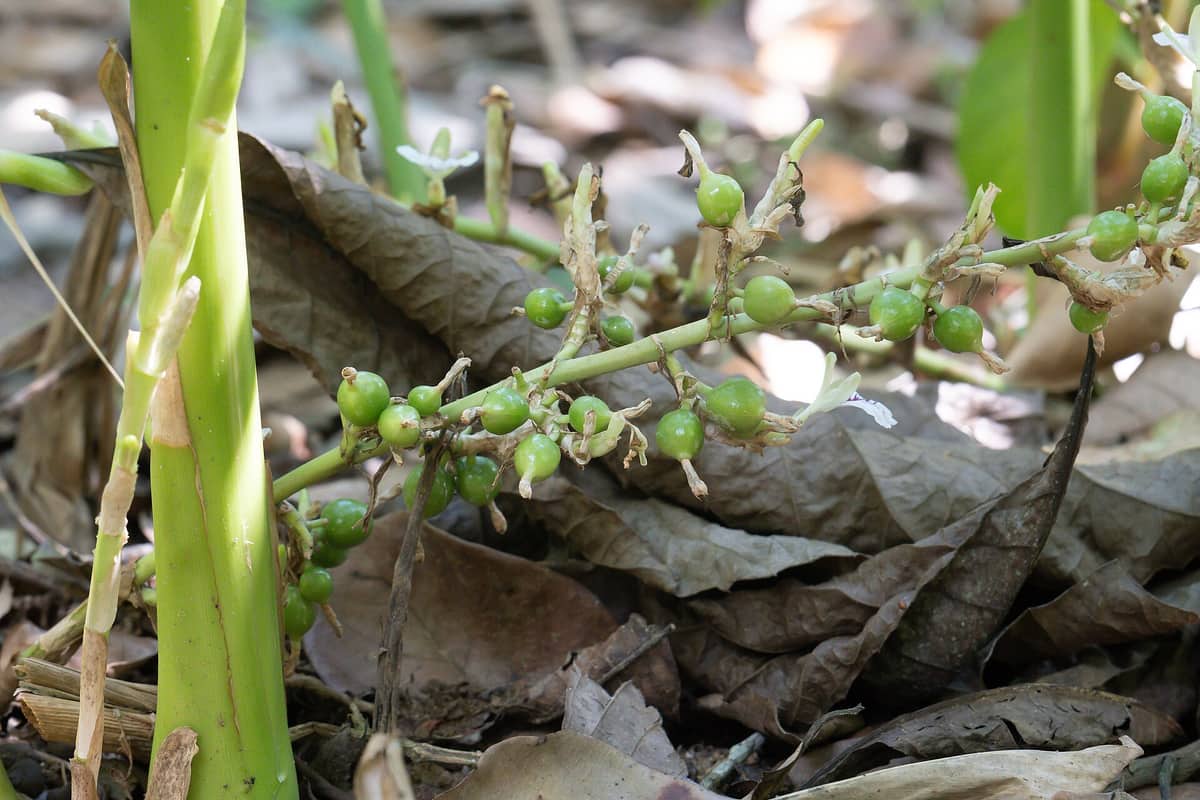
Try appam with stew for breakfast, Kerala parotta with almost anything, and karimeen (pearl spot fish), usually fried or cooked in a banana leaf. Coconut, curry leaves and black pepper are in almost everything.
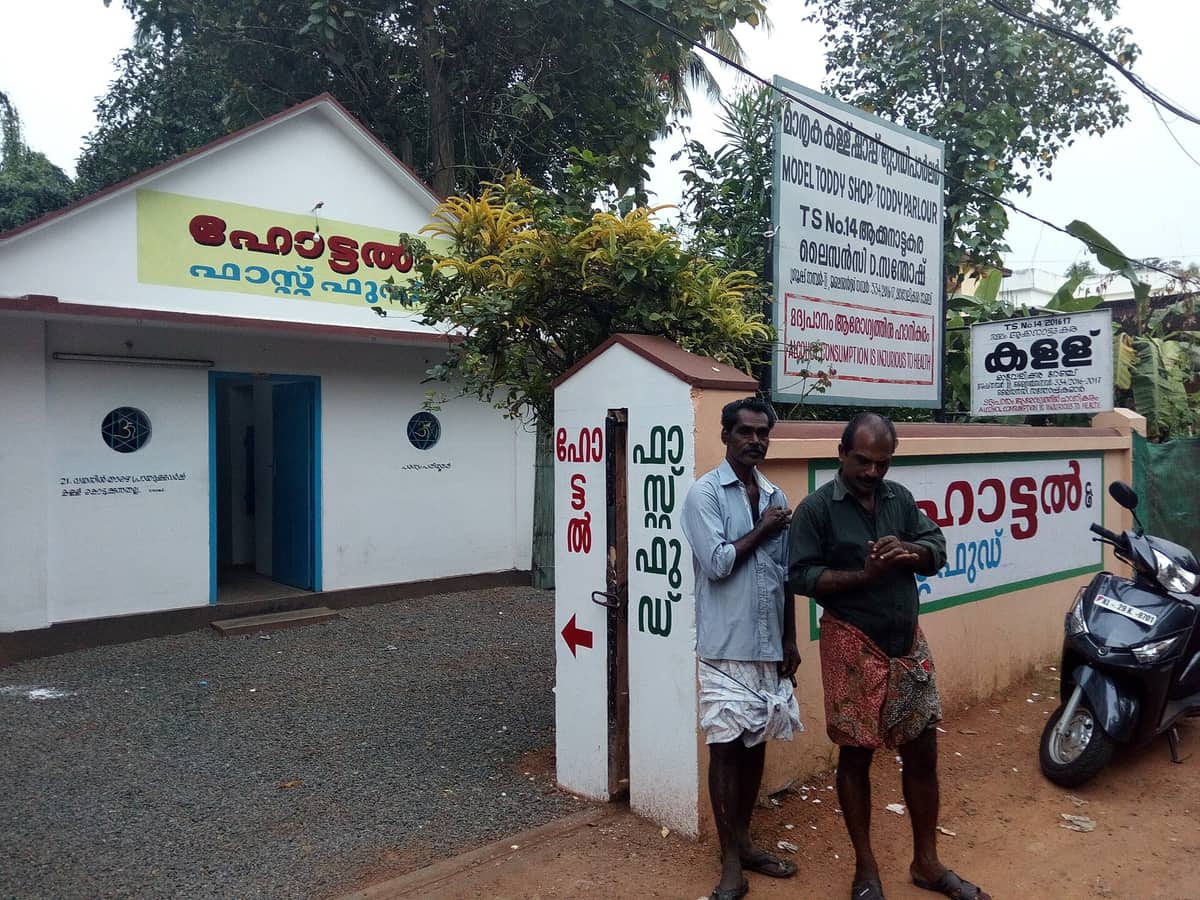
Toddy shops serve palm toddy alongside spicy local food. They are a genuine local experience, but adults only, and we will point you to the better-run ones.
Getting around
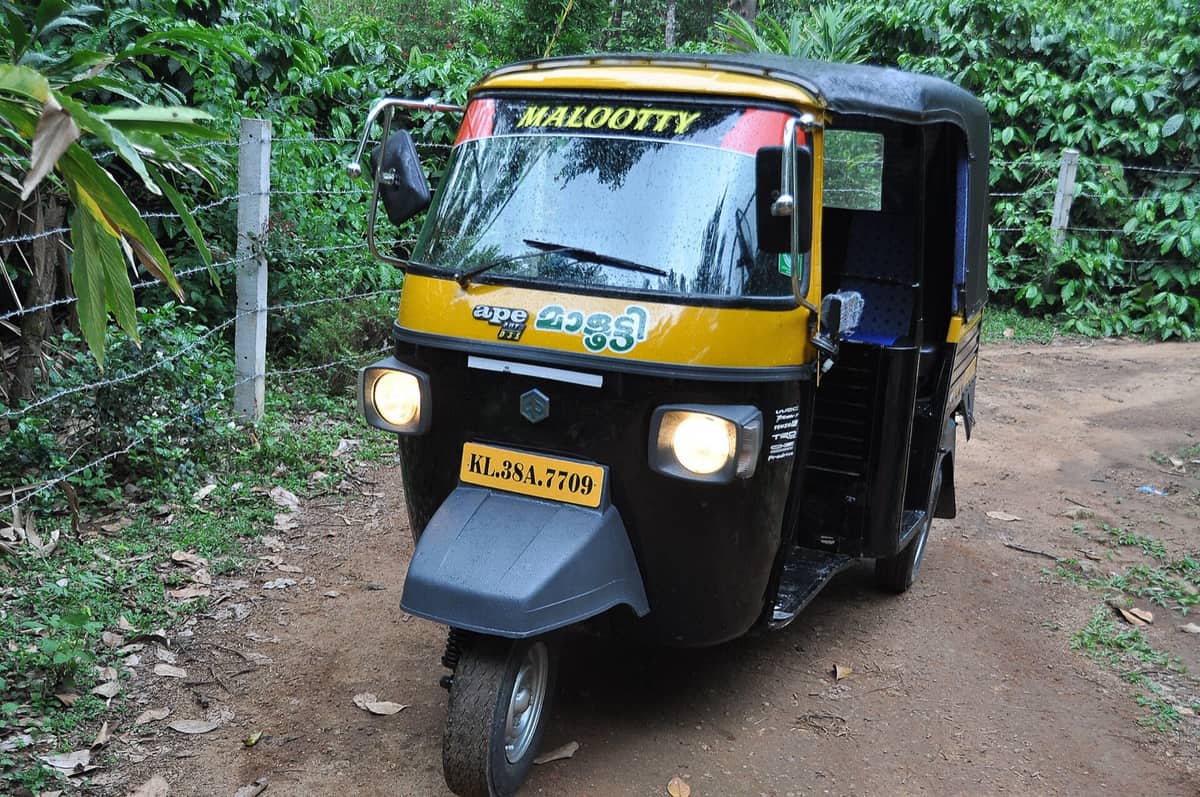
Auto rickshaws are everywhere and are part of the fun. Ask the driver to use the meter, or agree the fare before you get in. Many towns have prepaid auto stands at stations.
KSRTC (the state bus company) runs buses almost everywhere, cheaply. Trains run up the coast and are a relaxed way to cover longer distances. In Kochi, the Kochi Metro and the Water Metro boats are clean, cheap and easy to use.
Hill roads are winding and slower than maps suggest. A private car and driver is the most common way visitors travel between regions, and we can arrange one.
Places people love
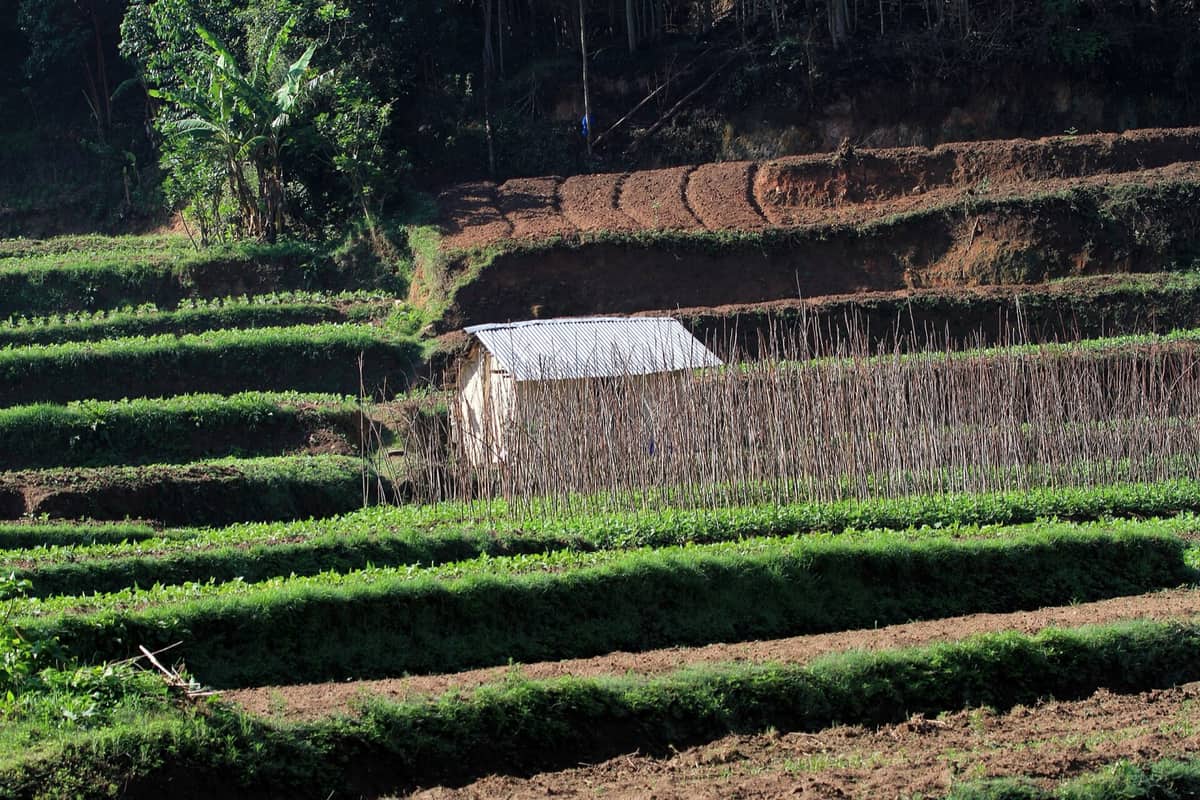
Munnar: rolling tea estates, misty mornings and viewpoints. Vattavada, beyond Munnar, is a quieter farming village of terraced vegetable fields and fruit orchards.
Wayanad: forests, spice plantations and waterfalls in the far north, and home to the 900 Kandi glass bridge above the treetops.
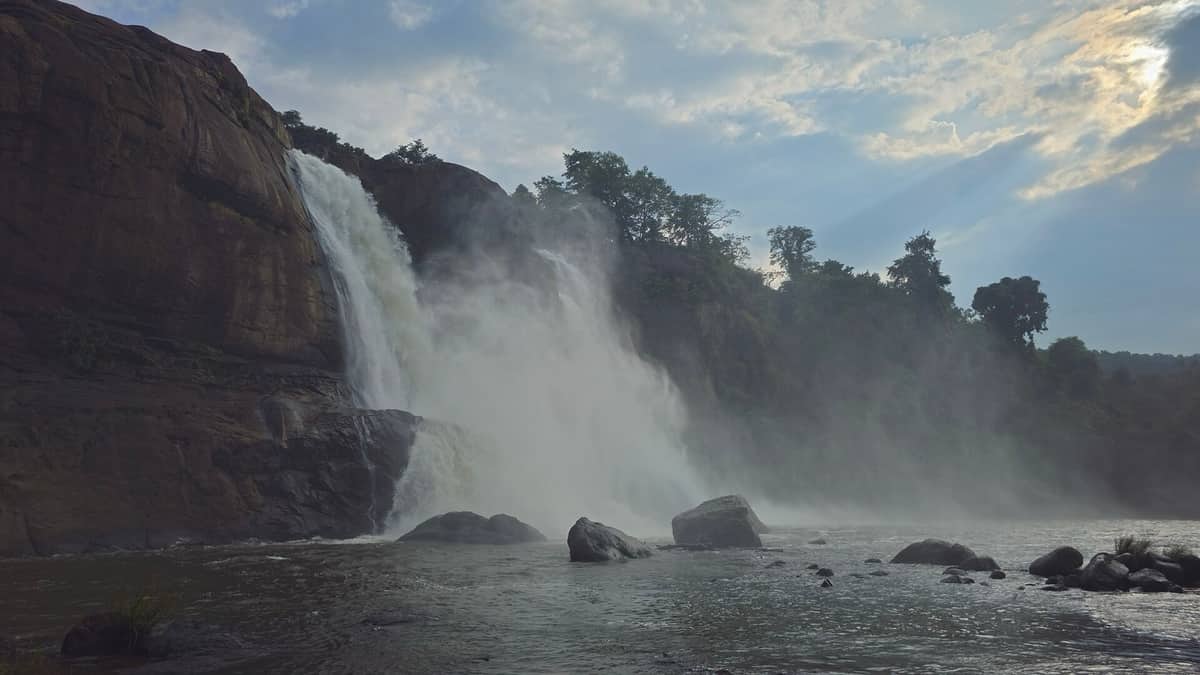
Athirappilly and Vazhachal: Kerala’s biggest waterfall and the forest just upstream, at their most powerful after the monsoon.
Thekkady: Periyar Tiger Reserve, boat trips on the lake, spice gardens and forest walks.
Alleppey and Kumarakom: the backwaters, by houseboat, canoe or village walk.
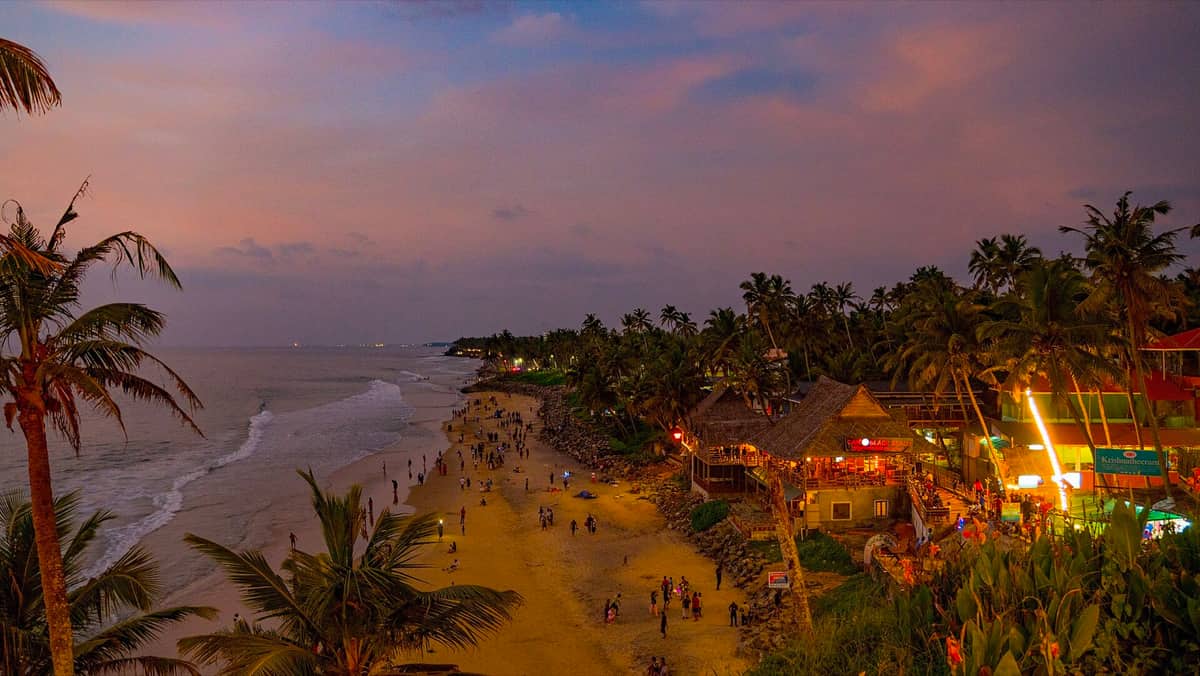
Varkala and Kovalam: beaches — Varkala on dramatic red cliffs, Kovalam with calm, curved bays.
Fort Kochi: colonial streets, Chinese fishing nets, cafés, galleries and history around every corner.
Treks and sunrises
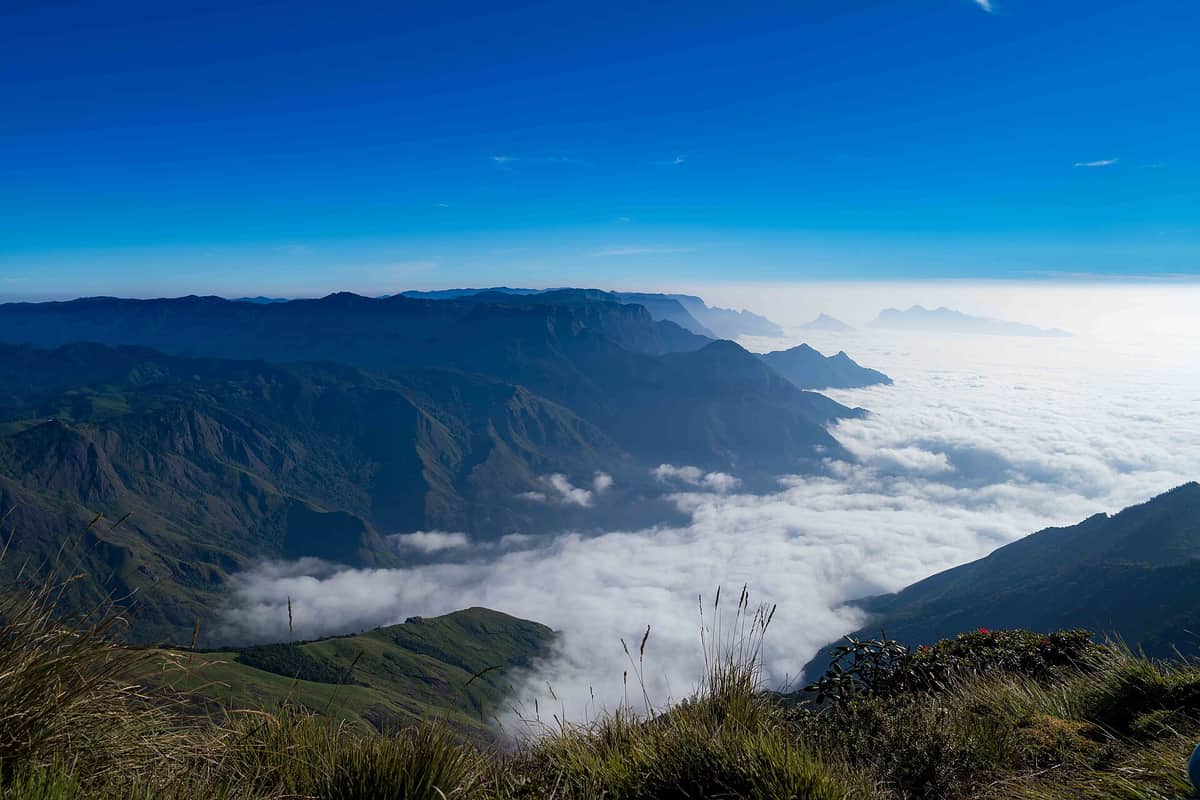
Chembra Peak in Wayanad has a heart-shaped lake on the way up. Meesapulimala near Munnar is one of the highest peaks in the Western Ghats, with sweeping views. Agasthyarkoodam, in the south, is a serious multi-day trek open only in a short season with a forest department permit.
Most treks inside forest areas need permits or an authorised guide, and many close during heavy rain. For something gentler, the jeep ride from Munnar to Kolukkumalai, just over the Tamil Nadu border, for a sunrise over the clouds is unforgettable.
Ayurveda and wellness
Ayurveda is a traditional system of practice that has been part of life in Kerala for centuries. Many visitors come for Ayurvedic massage, a few days at a wellness retreat, or yoga. The monsoon months are traditionally considered the best season for it.
We can find well-regarded, properly run centres. We do not make health claims about any treatment, and if you have a medical condition, are pregnant or take regular medication, please talk to your own doctor before booking.
A note on accuracy
This page is a general introduction, not travel, medical or legal advice. Seasons, opening times and trekking permits change from year to year — check official sources before you rely on anything here for planning.
Sources
- Kerala Tourism — keralatourism.org
- Government of Kerala — kerala.gov.in
- India Meteorological Department — mausam.imd.gov.in
- Kerala Forest Department (trekking permits) — forest.kerala.gov.in
- Kerala State Road Transport Corporation — keralartc.com
- Kochi Metro Rail — kochimetro.org